
Why e-payments make PBoC’s life hell (and Alibaba is partially to blame)
The growth of e-payments in China could cause major headaches for its central bank's monetary policy, including making depositors more sensitive to rates.
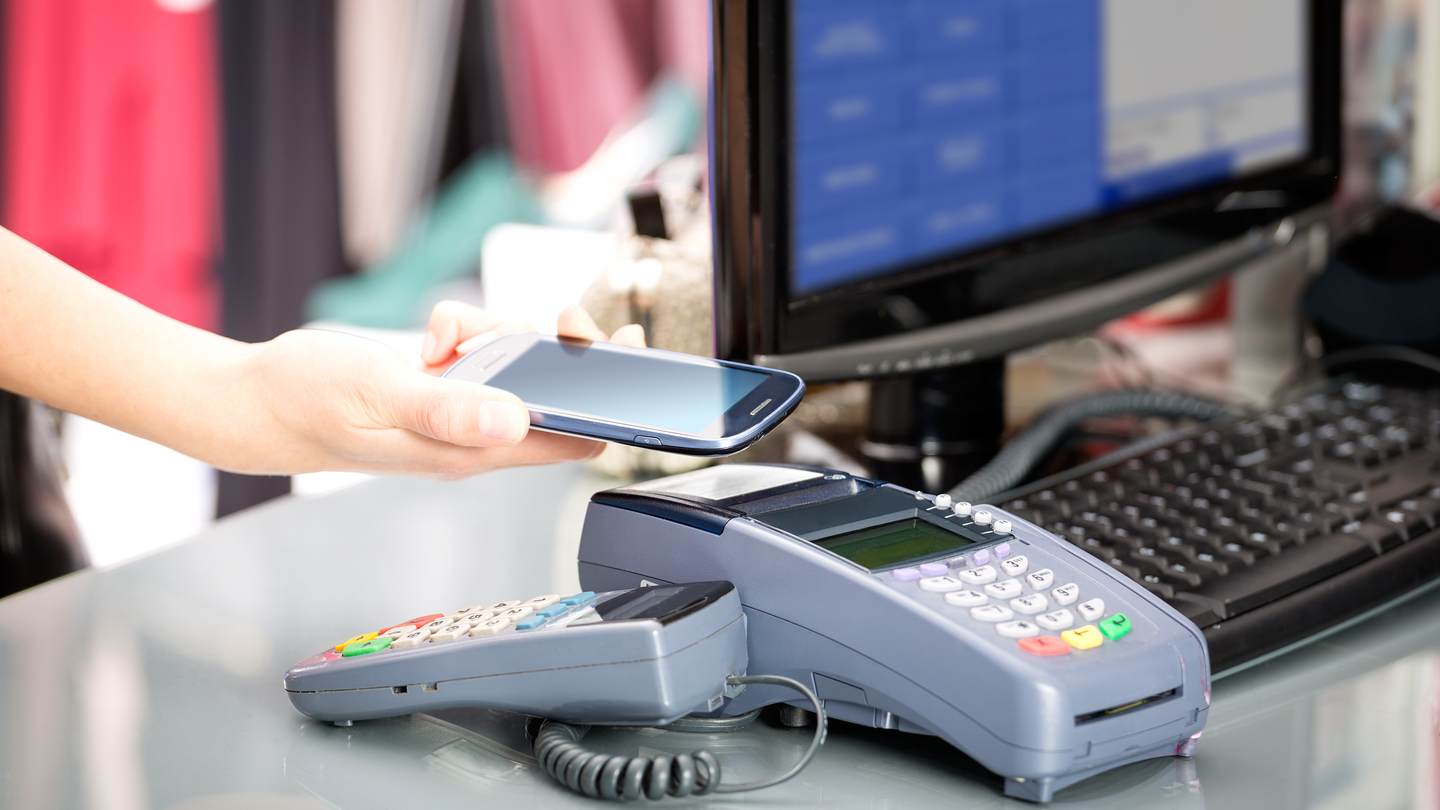
While we're all praising the merits of technological innovation in the payments industry, especially in China, did any of use spare a thought for how this might affect how the central bank manages monetary policy?
In what is a very interesting piece of research, Bank of America Merrill Lynch economists Xiaojia Zhi and Helen Qiao argue that the huge surge in electronic payments actually make money growth far less predictable, making it far harder for the People's Bank of China to guide market interest rates – leading to great rates risk to the country’s depositors.
Sign in to read on!
Registered users get 2 free articles in 30 days.
Subscribers have full unlimited access to CorporateTreasurer.
Not signed up? New users get 2 free articles per month, plus a 7-day unlimited free trial.
If you are a treasurer, CFO or senior financial professional at a corporate or SME, please register for free VIP access here.
Questions?
See here for more information on licences and prices, or contact [email protected].
© Haymarket Media Limited. All rights reserved.
Top news, insights and analysis every Tuesday & Thursday
Free registration gives you access to our email newsletters
for unlimited access to all articles, newsletters